Understanding the Price of Silver and What It Means for Sterling Silver Jewellery
The global price of silver has been one of the most dynamic stories in commodity markets at the start of 2026. After several years of moderate fluctuations, silver has moved sharply higher, driven by strong industrial demand, increased investment interest and ongoing global uncertainty. These market conditions have a direct impact on sterling silver jewellery, including how it is sourced, priced and produced.
Why Silver Prices Are Rising
Several factors are contributing to elevated silver prices in early 2026.
1. Strong Spot Prices
Silver has reached multi-year highs, reflecting tightening supply and sustained global demand. Market volatility and inflation concerns have also increased investor interest in precious metals, including silver.

2. Ongoing Supply Constraints
The silver market continues to experience a structural supply deficit. Global demand from industry, jewellery and investors has exceeded mine production and recycling output for several consecutive years. This imbalance places upward pressure on prices.
3. Growing Industrial Demand
Silver plays a critical role in modern technology. It is essential in solar panels, electric vehicles, electronics, medical equipment and data infrastructure due to its superior electrical and thermal conductivity. As clean energy and advanced technologies expand, industrial consumption of silver continues to rise.
4. Investment and Safe Haven Demand
In periods of economic and geopolitical uncertainty, investors often turn to precious metals as a store of value. Silver has benefited from this trend alongside gold, supporting higher price levels.
How Silver Prices Affect Sterling Silver Jewellery
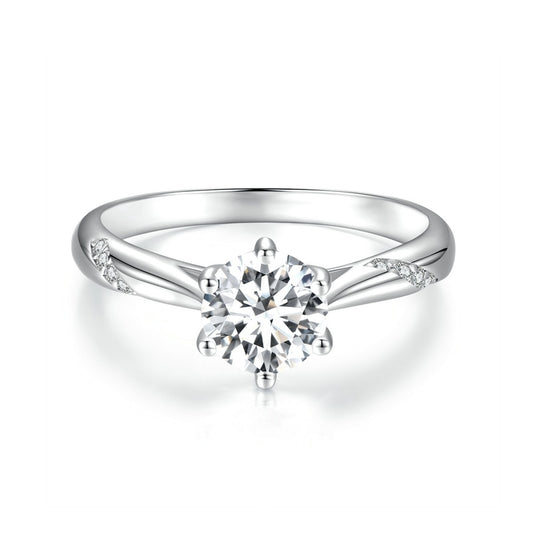
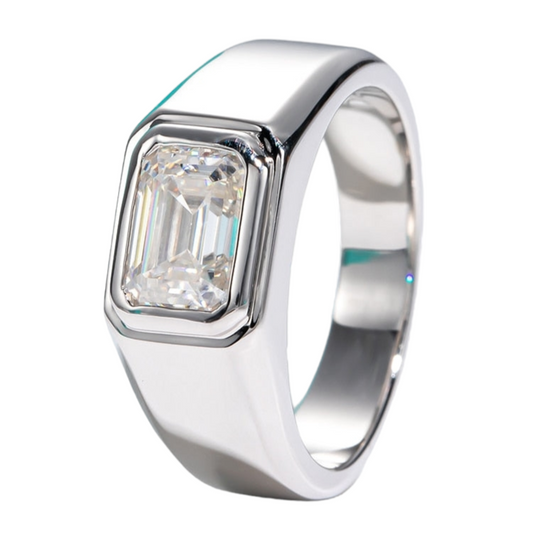
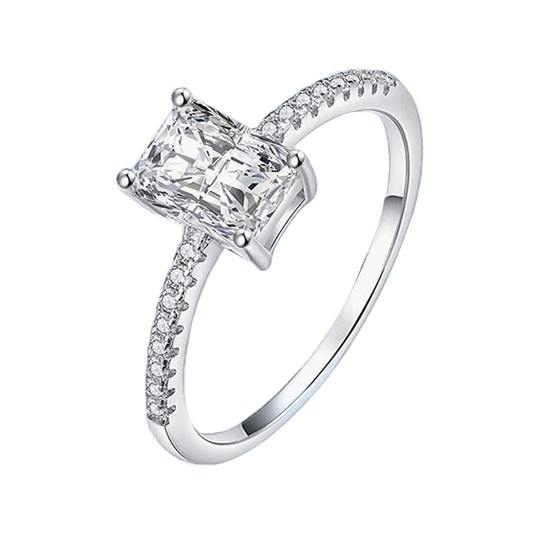
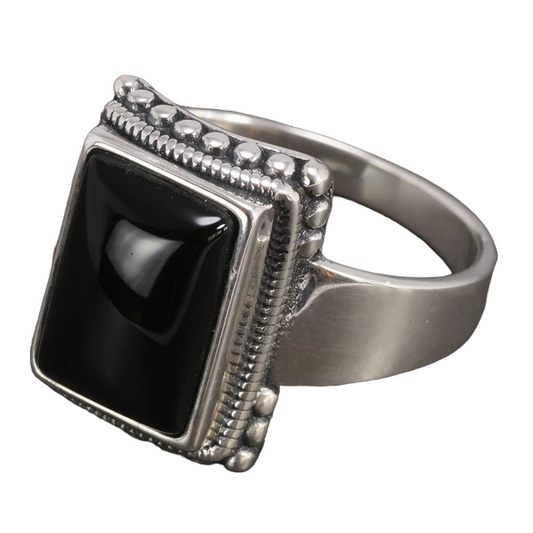
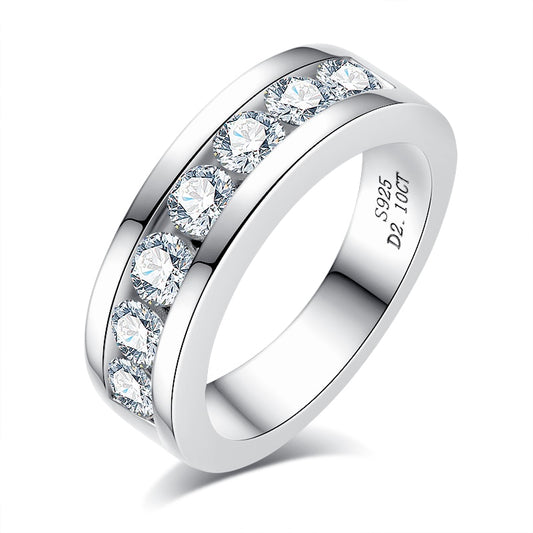
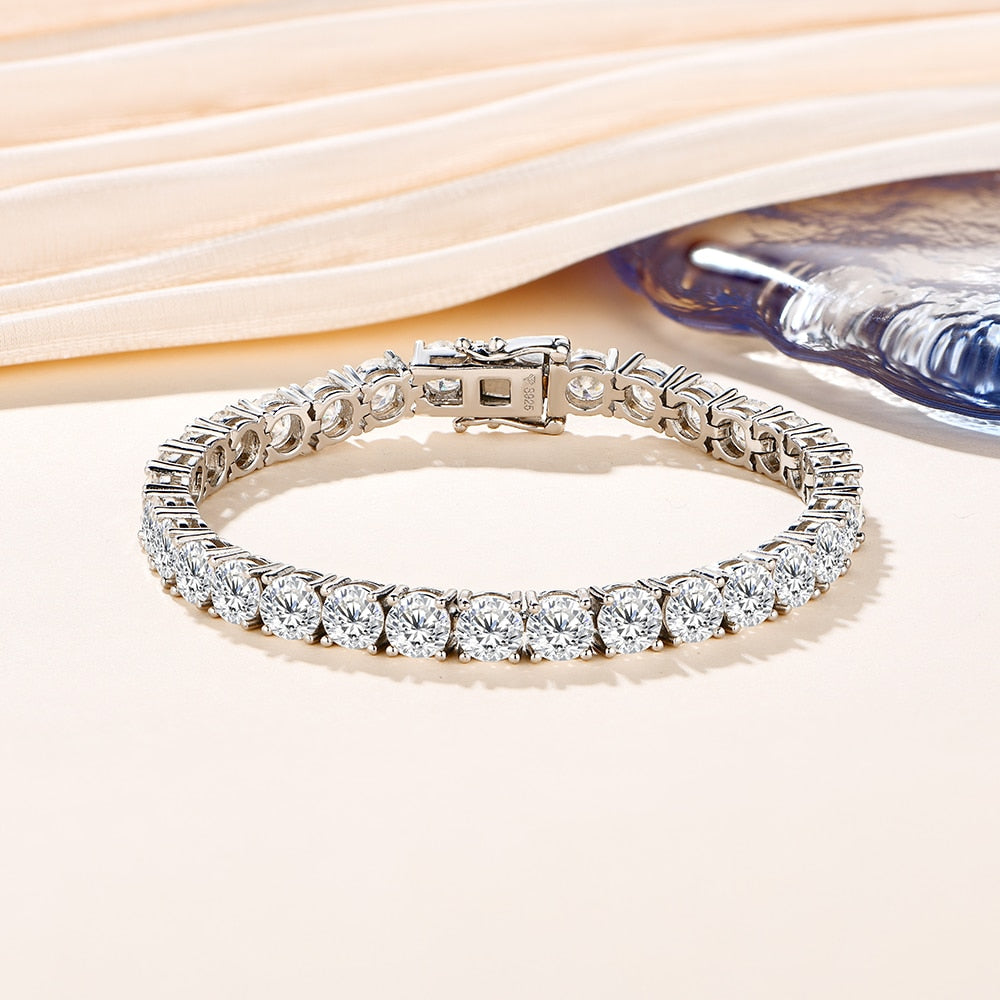
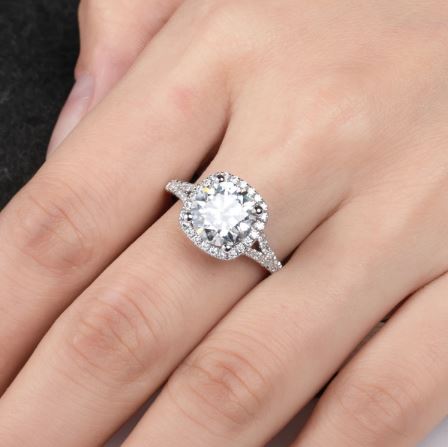
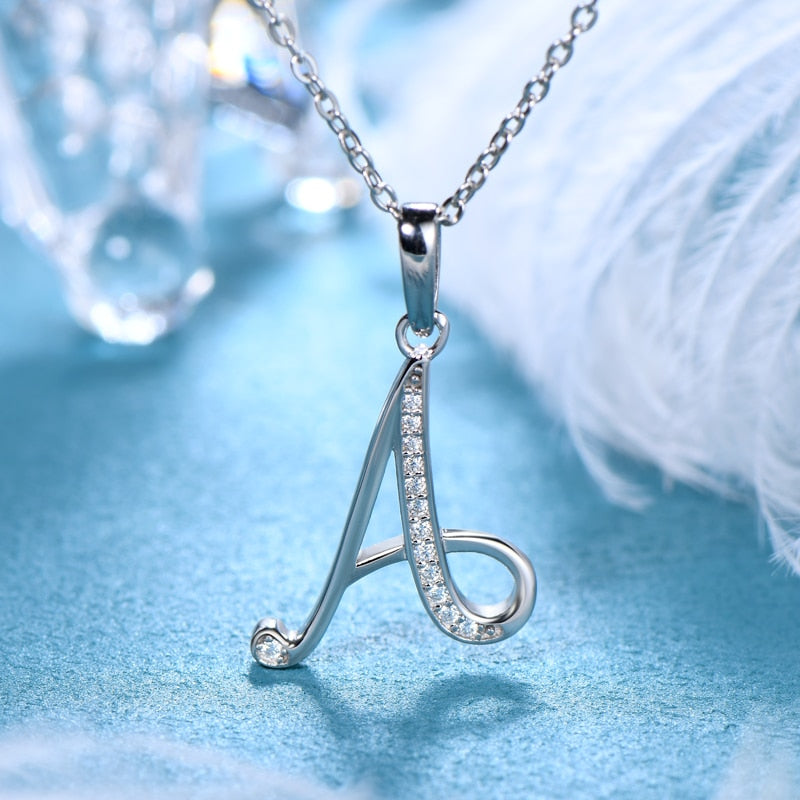
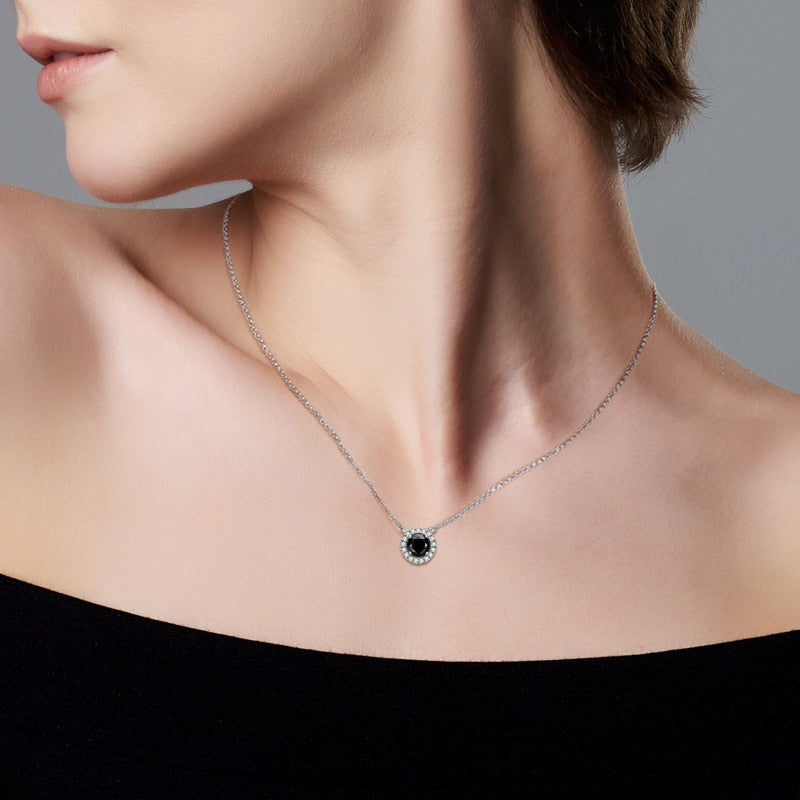
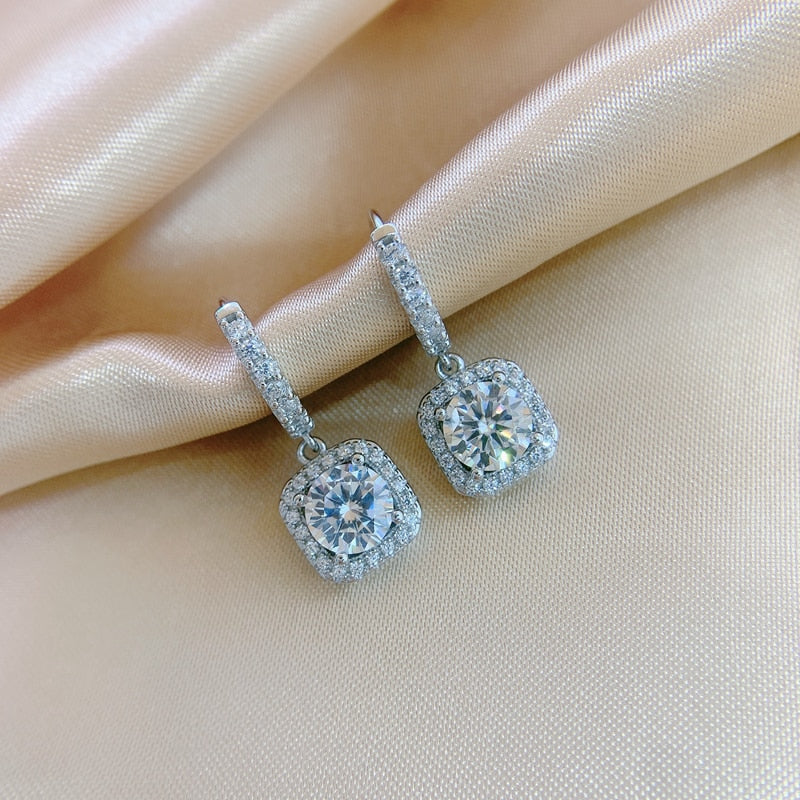
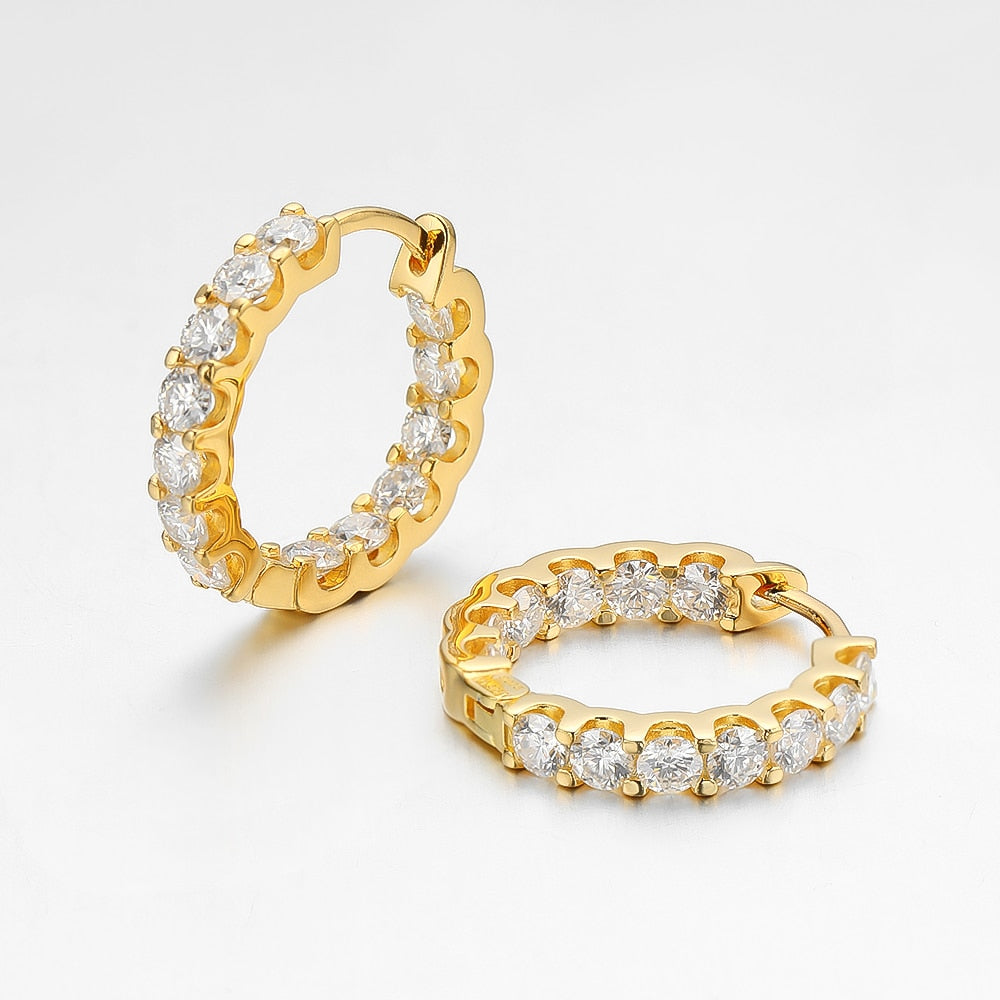
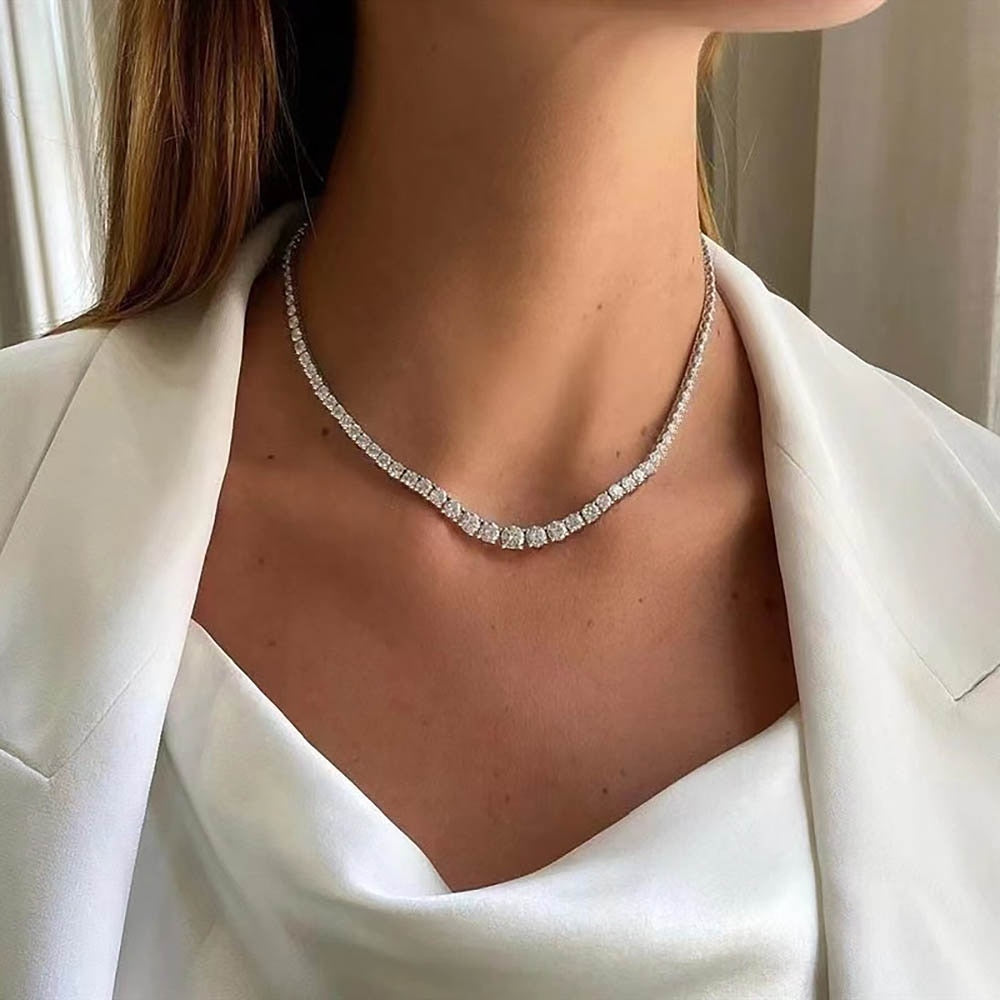
Sterling silver is made from 92.5 percent pure silver, commonly referred to as .925 silver. Because of this high silver content, changes in the global silver price directly affect the cost of producing sterling silver jewellery.
Higher Raw Material Costs
As the price of silver increases, the cost of the raw metal used in jewellery production rises accordingly. This impacts manufacturers, wholesalers and retailers across the supply chain.
Retail Price Adjustments
Jewellery brands must carefully balance rising material costs with accessibility for customers. In recent years, modest price adjustments across the sterling silver jewellery market have reflected higher silver input costs while preserving quality and craftsmanship.
What This Means for Holloway Jewellery Customers
Despite higher silver prices, sterling silver remains one of the most attractive and accessible precious metals for jewellery. It offers durability, timeless appeal and excellent value compared with gold or platinum.
Any price adjustments in sterling silver jewellery reflect genuine increases in raw material costs, while ensuring that quality, ethical sourcing and skilled craftsmanship are maintained. Sterling silver continues to be a versatile and enduring choice for everyday wear and special occasions alike.
Looking Ahead
Silver markets are influenced by a range of global factors, including industrial growth, investment demand, supply conditions and geopolitical developments. While prices may fluctuate, silver’s importance in both technology and jewellery suggests it will remain a valuable and sought-after metal.
At Holloway Jewellery, we remain committed to transparency, quality and long-term value, helping customers make informed and confident jewellery purchases.